
Beyond Help
The harsh reality that not all mountain rescues are rescues

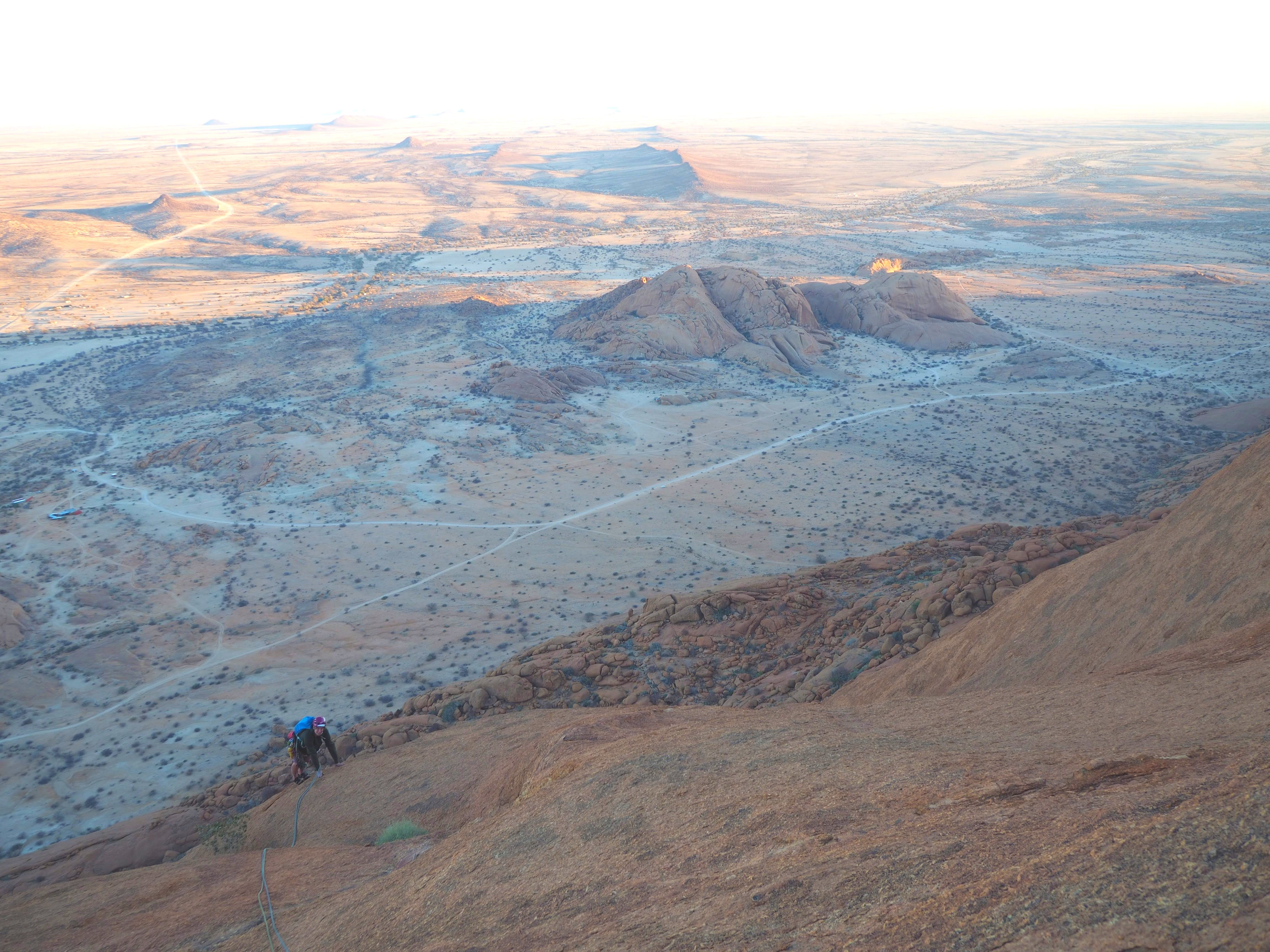
Some thoughts have been rattling around in my head today, and I need to get them out. So, apologies for the rattly nature of what I write below, but first, let’s begin with a short story:
In 2018, I was climbing in the Samburu in Northern Kenya, home to Mount Ololokwe, with my mate ‘Fish’, who was trying to help the local Samburu tribe keep hold of its young by turning them into mountain guides; the idea was that they could realise the potential of the mountains all around them rather than lose them to Nairobi.
Me, Fish and a young Samburu fella (I’ll call him Sam) had just climbed a route. They were trying to scout out a rappel while avoiding things like human stomping mountain elephants, when Fish stood on a large boulder that toppled over, sending him over the edge of the cliff with a blood-curdling scream. TIA.
Luckily for him, when I looked over the edge, he’d landed on a ledge. For a second, I thought the boulder had chopped off his leg, as it seemed to be missing, but it turned out it was just bent under him, and it was broken. Like most people who have just had an accident, Fish’s first reaction was not about the pain, but about the embarrassment, telling us he was “OK”, then undermining the statement by doing a fantastic impression of a dead person, by going unconscious, but with his eyes open.
If we’ve been in the UK, or better still, in the Alps, I’d have just whipped out my phone, or if beyond phobe coverage, my InReach, and had a helicopter there in minutes. But it wasn’t the UK, or the Alps, but Northern Kenya. No one in any kind of uniform, even camo, was going to come.
The Samburu tribesmen seemed to think all this was just part of going climbing, and so took it well, but it seemed I had to get both of them down and find some local help as soon as I could (he didn’t know how to abseil, but he did have on a climbing harness).
Two things were in my favour: 1, Fish woke up, 2, I didn’t have to move Fish anywhere as he’d fallen over the cliff we’d have to abseil down. So first, I instructed Sam to go and get some people to go up to the base of the cliff and get a 4x4 as close as possible, then lowered him down the cliff (good old Monster Munter, the king of self-rescue knots). With Sam off into the bush, I then did a tandem rappel with Fish, hoping the local flora and fauna I rigged were rescue anchor quality (when you’re doing an actual two-person rescue for real, you appreciate why a rescue load needs a 10:1 safety margin). Again, I rappelled on a Monster Munter, so I had maximum control over the ropes, and Fish and me.
Fish must have been in some pain, and of course, could well have had other broken bones, or broken back, or internal injuries, but if we’d waited for a spinal board, or just an alastoplast, he’d probably have died or bled to death. It’s also a testament to adrenaline and the survival instinct that I could manhandle Fish and rappel with him with only low-intensity screaming.
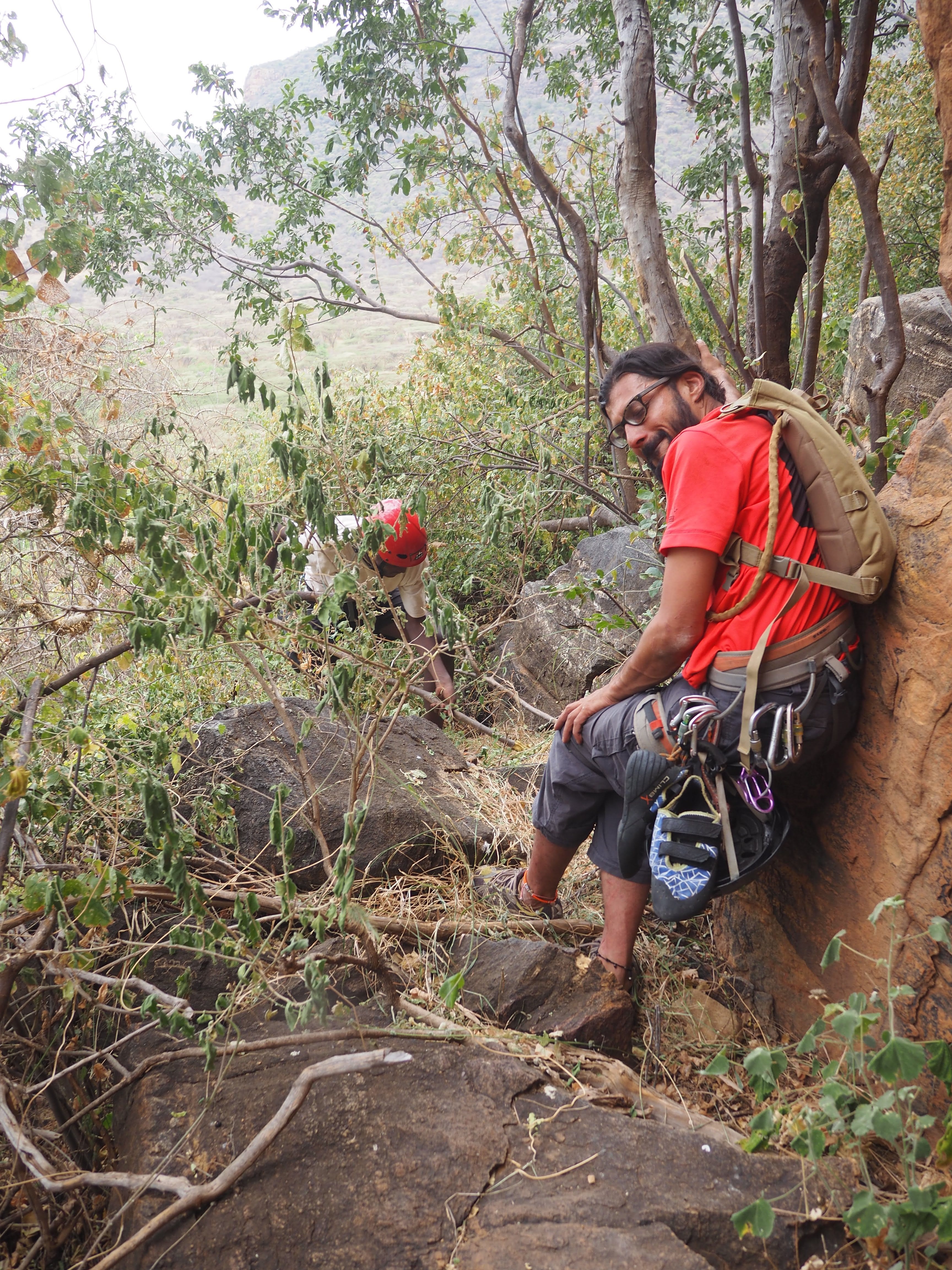
By the time we were back at the base of the cliff, a team of Samburu had arrived, ready to help Fish down a steep slope. Having already rescue-tested my legs once before, with a nine-hour piggyback of a climber down off El Cap, I volunteered. Still, before I could pull the ropes to make a rope litter (Google Abraham carry for an alternative), one of the smallest guys had him on his back and was off, unfortunately. tumbling down through the bush with Fish (if you invest a bit of time in carrying people, and being carried, you’ll discover that it’s not just an issue of weight, but also the strength to hold on, which is why you need to use a rope).
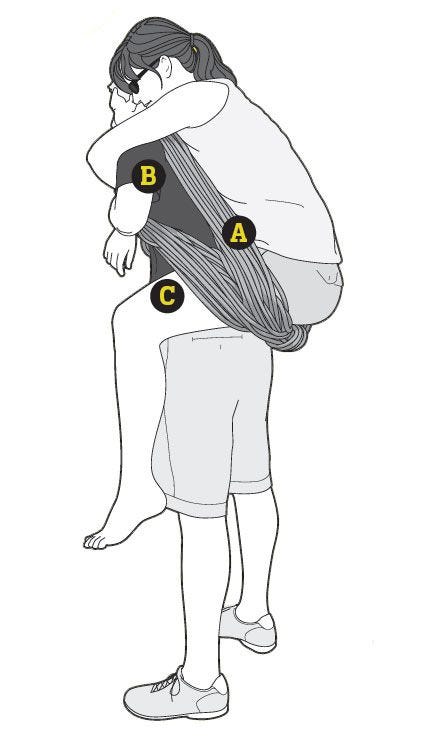
Again, with only minor screaming and cursing, Fish was lifted onto the back of the same guy, who promptly fell the rest of the way down the slope, a painful but effective way to reach the 4x4.
Rather than seek immediate medical attention, which, being 200 miles away, would not be that immidate, and it being late (number one rule of Africa: don’t drive at night), he just asked to be propped up in a chair with a supply of beer, then, drove himself to the hospital the next day (an 8 hour trip).
TIA.
A Kalymnos tragedy
What spurned me on to think about this subject was a serious incident in Kalymnos (Greece) this week, a first-hand account of the rescue being widely circulated on social media by a witness to the accident. I suspect the account of the accident, which is raw and emotional, will be removed soon enough, but like all raw things, there’s a lot of value there, so I’ll sum it up here:
A 60-year-old Czech climber suffered a major fall while lowering off a 7b+ sport climb in the Jurassic Park sector when both lower bolts broke (Rebolt Kalymnos has been rebolting routes, but these bolts were 25 years old, and in a marine environment). He had already removed three draws while being lowered, and the high impact of the fall onto the fourth bolt caused this to break also, leading to a ledge fall.
A nearby group of climbers immediately responded. The injured man was conscious but in shock, with superficial scrapes on his legs, a sprained ankle, and complaints of lower-back and side pain. His friends lowered him to the ground and began basic first aid. The witness, carrying a first-aid kit, assisted in assessment and strongly recommended calling professional rescue services.
The account of the subsequent emergency response highlighted several points, which, although critical, should be understood to be coming from someone who had just experienced one of the most traumatic events in his life, and the worst kind that climbing has to offer.
His points included:
Greek emergency operators did not speak English. Multiple transfers and repeated explanations were required to confirm the location as Kalymnos (not Kos) and to convey precise coordinates.
A helicopter was initially refused (Greece has a very limited helicopter emergency medical services (HEMS) capability).
Ground rescuers took over two hours to reach the road below the sector and another hour to climb up. The first four-person team arrived poorly equipped (no stretcher, no splints, only a basic first-aid kit) and appeared unfamiliar with mountainous terrain.
The victim’s condition deteriorated rapidly. Systolic blood pressure dropped, indicating likely internal bleeding. The team repeatedly urged the rescuers to request a helicopter. After further delays and the arrival of a second group with a stretcher and basic medical gear (including a blood-pressure monitor but no doctor), a helicopter was finally dispatched.
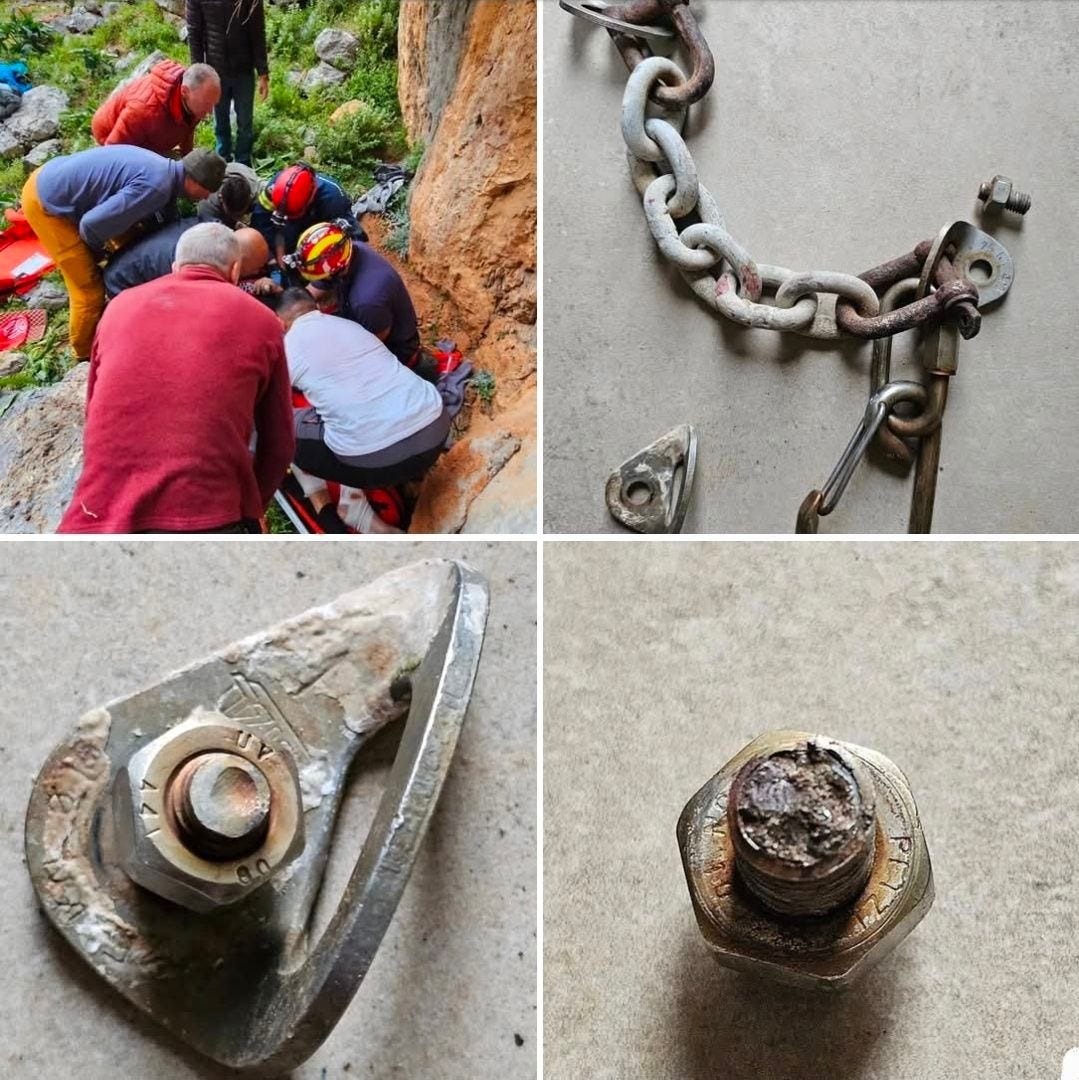
Helicopter operations were hampered: the aircraft could not land near the cliff due to its proximity and, later, by increasing wind and rain. The team manually carried the victim on a stretcher up the cliff to a flatter area higher on the mountain. A second attempt to evacuate by air also failed because of the wind.
As darkness and rain set in, the decision was made to carry the stretcher down the steep, slippery goat trails to the road. The operation became chaotic: no clear leadership, equipment failures (spilt medications, an improvised pillow from a bag of syringes), and multiple rescuer injuries. The victim lost consciousness twice; adrenaline was administered from the witness’s personal first-aid kit.
More than five hours after the initial emergency call, the victim was pronounced dead on the trail. CPR attempts were discontinued. The body was carried the remaining distance to the road over the next two hours.
Key Observations
The accident itself resulted from anchor failure. However, the response highlighted critical shortcomings in Greece’s rescue capability on a climbing-dependent island:
No English-speaking operators at the emergency centre.
No standby rescue teams or on-call doctor.
Rescuers unfamiliar with technical mountain terrain.
Delayed and inadequate equipment.
Repeated refusal or inability to deploy a helicopter promptly.
The entire rescue took over seven hours, from the call to the pronouncement of death. The observer concluded that the level of emergency assistance available in Kalymnos falls far below European standards for a major sport-climbing destination and is comparable to far less developed regions.
A tragic story, and a tragic end, and one that people will no doubt feel angry about, and look to blame people or organisations. But, like all accidents, there’s a lot to be learnt from them, most of all, about managing expectations (a professional mountain rescue team and paramedic, plus a rescue helicopter) versus reality (the volunteer fire brigade and lifeboat crew, local GP, and an air force helicopter with limited experience in operating close to cliffs).
The Rescuer’s Dilemma
One moral of both events is that there is a correct way to do things, the manual way, the way the Saint John’s Ambulance service teaches you, the Mountain Rescue ‘lift together’ way, some kind of ABC or DRABC thing, and there is a wrong way. But the reality is generally not how we imagine it will be, or what we trained for (“There is always a way, and it usually doesn’t work.“), and often the right is wrong and the wrong right (but who knows which is which?)—the rescuer’s dilemma.
But what happens when the correct course of action doesn’t achieve the expected results, or the scenario is nothing you trained to deal with, both of which are about expectations that don’t align with reality? What happens if the situation is changing rapidly and ‘the way’ can’t keep up? What happens when you see someone in pain, or their life’s draining away, and the process or system is too slow?
Having witnessed this happen multiple times, you observe that some people are able to improvise and attack a problem quickly (they don’t think in right-or-wrong ways), but many don’t; they go into a sort of action paralysis.
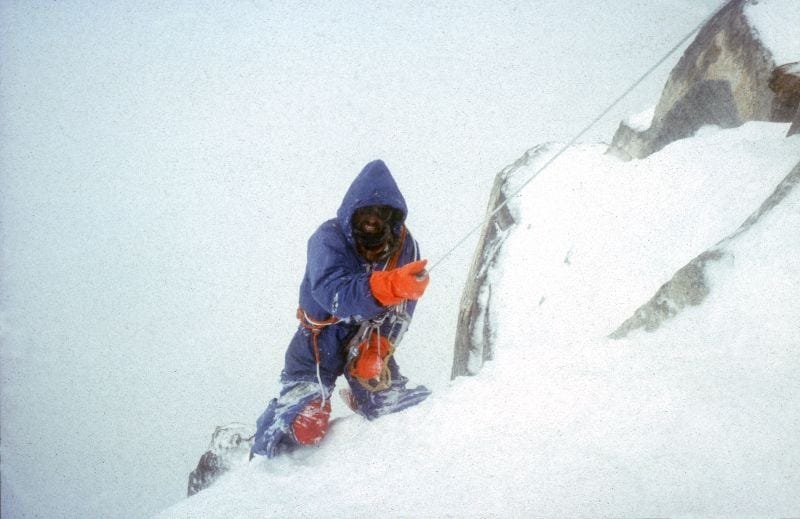
This inaction may be a natural human response (there is fight-or-flight AND paralysis). Still, it might also be the result of living in a non-interactional world, where action makes you responsible, and no one wants that. Even if you save the day, you might be punished. In such a world, it’s better to play it safe and remain passive, part of the group (the phenomenon of people filming tragedy, rather than trying to save someone, is one symptom of this). Better to be blamed for doing nothing than for doing the wrong thing (remember, this is the world in which bus drivers who chase down muggers and then protect female passengers get sacked).
In the Fish story, I was lucky and was unburdened by expectation. I knew we had to rescue ourselves, but Fish could just as easily have died. In the Kilimnos story, it’s not that anyone did anything wrong; it’s that they did everything right. They did everything by the book. Their mistake was thinking a Swiss-style rescue was possible when it wasn’t.
If, on the other hand, they’d made a rope litter or rope stretcher, and everyone had worked together and somehow manhandled the casualty down, he might have lived, might, but internal bleeding is an awful thing, as people can seem able to ‘walk it off’, only to drop down dead when they get back to the car. Or, they might have killed him in trying, only for a rescue helicopter to appear within an hour. Again, the rescuer’s dilemma.
Rescue Realities
Another factor in this story is the automatic modern response when an accident happens, and you “pull the pin” and call out the mountain rescue. But what if it doesn’t come? What if the line is dead?
This is hard for us moderns to handle, the idea that we’re on our own. It’s down to us, and each other, that we have to save someone, or save each other or ourselves. Are we ready for that?
Twice in my climbing life, I’ve been sat down before setting off into the mountains and told, in not uncertain times, that “no one is coming to rescue you”. Of course, you don’t believe it, being Western, where we bitch if no one arrives in less than 10 minutes when we press 999 or 911, where even in a warzone, with your legs blown off in some Afghan valley as remote as the moon, you can expect to be in ICU within the “Golden Hour”; you don’t believe that’s true (“I’ve got Global Rescue cover Godamit!”). It’s just what the locals say. Somewhere there’s a helicopter. Someone always comes. Don’t they?
And yes, they might, eventually, the butcher, the tailor, the candlestick maker, but when they do, you’ll either be dead, or wish you were, or will be killed by those trying to rescue you, or they’ll die trying because they’re not trained to do so.
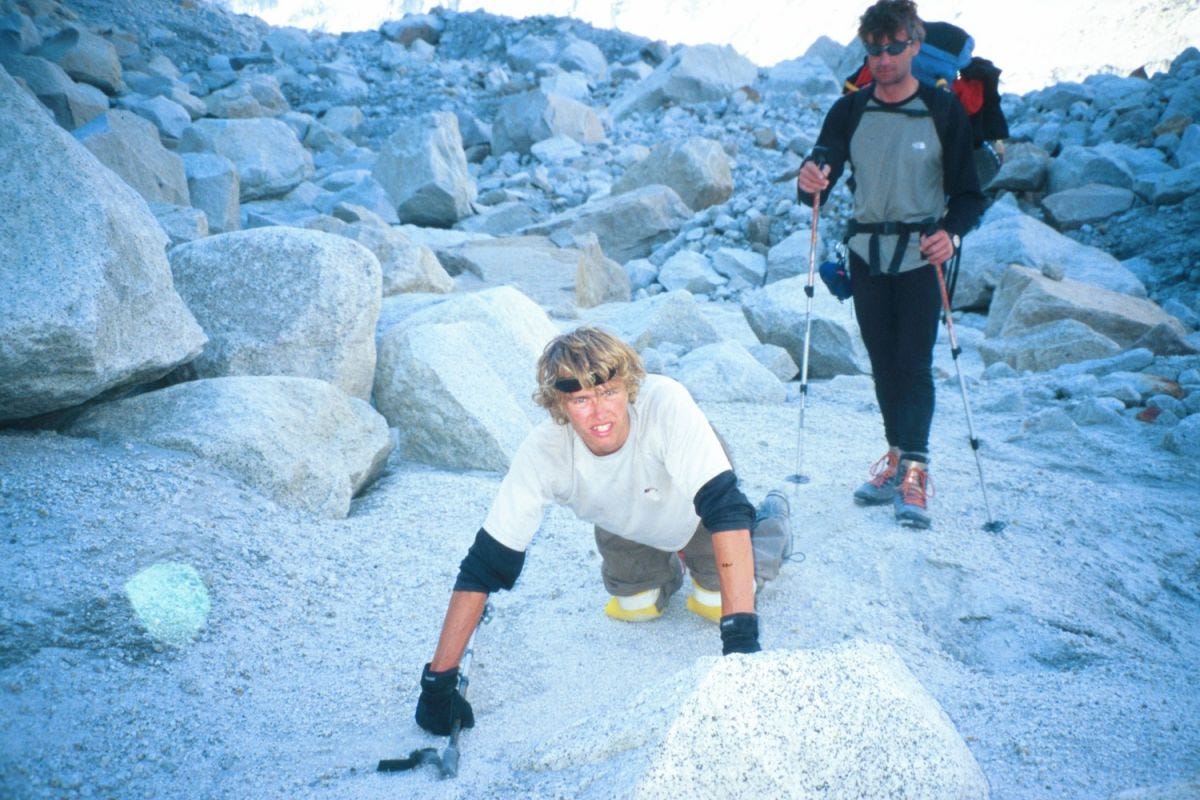
Most rescues beyond the range of expected top-tier services are like being kidnapped by terrorists and expecting Delta Force to storm the building and rescue you, when in reality, the local militia gets called and just hoses the building with machine gun fire (and everyone dies). Or, unlike the “Golden hour”, where you’re fighting a war against subsistence farmers with AK-47s, you’re in a real war, like the Russo-Ukrainian, where soldiers often have to wait days to reach a hospital. Your chances of survival come down to the severity of your injury.
Travel far enough from help, and you’ll soon realise that rescue is not a right, it’s a privilege.
Key learning Points
Always have the direct contact number of the local rescue service, not the 911 number you ring when you have a chip pan fire, or someone steals your e-bike. If there isn’t one, then at least you know no one is going to come.
If you don’t speak the lingo, have the number for someone who does, who can talk to the rescue services for you.
Always carry a first aid kit, even when sports climbing.
Always carry some warm clothing, even when it’s sunny, as you may be out all night or need it to keep someone comfortable.
Always carry a headtorch in your pack. Again, you might just be going out for the day, but you might end up out all night. Keep a small headtorch in your bag, and use Duracell lithium batteries (they won’t leak and destroy the torch), reversed until you need them.
Carry a disposable survival bag or blanket, the type used by mountain runners (might be the best £2.99 you ever spend).
Do a first aid course.
Do a self-rescue course.
Learn to tie a Monster Munter.
On a shitty day, practice making a rope litter and stretcher, and see how hard it is to move someone.
Join your local mountain rescue team.
For very remote trips, make a rescue action plan and leave it with someone you trust to act on it. This should include all your return-by dates, contact details (like InReach, Sat phone, email, etc.), next of kin, passport details, photos, and a description of your gear (clothing, packs, tents). Any climbing itineraries should be updated as the trip progresses. It’s also worth including your will, in case you don’t make it back. This might sound morbid, but it could save your loved ones a lot of pain and anguish.
Postcript
I got this great reply from this post from @soukouwariorz.
Hi Andy,
Please pardon the length of my response. I’m greek, a mountaineering and rock climbing instructor, have lived in the Alps, and I am currently on a wheelchair with a broken ankle and an injured shoulder due to a fall while mixed climbing in the northwest of Greece (so I’ve got time for lengthy responses) .
What you’ve written is very much to the point. The major issue here is that people coming from abroad may consider that citing Kenya and Greece together is wrong because Kenya is Africa and Greece is part of the EU.
Well, it’s not wrong. People coming from abroad need to know that there is NO such thing as HEMS in Greece. The only mistake in your article is when you state “(Greece has a very limited helicopter emergency medical services (HEMS)”. Sorry to break it down, but there is no HEMS in Greece at all. We climbers in Greece, have known these things since forever. We have lost friends and family due to this lack.
What does exist in Greece is the following combination of things: army, firebrigade, medical service, volunteer rescuers.
1. The army: they bring the helicopters. No one else. Their helicopters are huge and inadequate. Their personel is completely untrained on mountainous terrain. The rescue crue inside the helicopter are, most of the time, CoastGuard rescuers. Trained to save people when in the sea. Not on/near/below a cliff, on mountains etc. They do not have the adequate equipement to perfom such rescues. Nothing to do with personal incompetence, just different skills for different things.
2. Firebrigade: No helicopters. Just feet on the ground. Depending on the area, they may be partially trained to perform a rescue on mountainous terrain. Most of the time, they are not well trained enough. Let’s not forget, it’s fire brigade: the same people are asked to intervene in wildfires, floods, earthquakes, car accidents etc etc. One can be good enough at a ceraint amount of things but not everything. And because floods, wildfires etc are much more common than an accident on a cliff all their training goes there. Most of the teams do not have the necessary equipement.
Still, they are the ones who will do the hardwork. Walk the distance, do the first aid, carry the victims. Often without having the necessary PPE.
3. Medical service: They stop where the dirt road starts. No training or equipment for anything more than that. So that’s what they’ll do. They will go as far as they can - they’ll often put themselves at risk and go further- and then they’ll wait for the victim to be transfered to them. Because what they do is save lives everyday, they may try and reach the accident spot but at their own risk and against legal restrictions. And if something goes wrong they’ll be blamed for intervening further than where they were allowed to.
4. Volunteer rescuers: People who want to help, and do so on their “free” time, training on their own, without no support from the state whatsoever. Here you get well trained mountaineers who can be very helpful and bravado John Rambo style guys who have no real experience at all. Luckily the second are but a minority. Most of the volunteers lacking experience understand their limitations and try and be helpful where they can. And simple tasks are of tremendous importance when many people are operating for a rescue in the mountains.
Now, outside of the official system is the climbing/mountaineering community. Most of the time what saves people lives in the greek mountains is a network(instructors, guides etc) inside this community that will trigger an alarm and people will get in their cars, coordinate in between them and go and help. Though unofficial, this network has managed during recent years to be acknowoledged by and collaborate with the official mechanisms mentioned above. These are the only people in Greece who can reach you if you’re hanging on a big wall, in a difficult spot, in winter. They know the paths, the cliffs, where the belays are, if ther are, etc.
This is not something we are happy about. But it is the reality. In my recent accident, I could have called 112 first. I didn’t.
I informed my climbing community first. Then I called 112. I had to walk for 4.30 hours on a 40 degree icy slope on a broken ankle and a dislocated shoulder , with my friends help, in order to reach a col where luckily enough the helicopter managed to land 5.30 after I had called.
But I did not wait for a single second believing that it could have come where the accident had happened.
If it hadn’t finaly managed to land on the col I would have been carried for more than 4 hours to the closest village by my mates, the firebrigade who had arrived and people who where there. Please note that the helicopter would not have landed on the col either, if the firebrigade team hadn’t already arrived on foot. They needed someone on the ground! Still, mine was but an exception, due to luck, good weather, personal and team effort and people on all sided willing to do more than they should.
This is why in our rock climbing courses in Greece, self rescue is an important part of the curiculum and people coming to Greece should now that: if something happens to you while climbing, offpiste skiing, trekking etc you’re on your own. So be prepared. We may be a prime tourist destination but lives don’t matter in our country where our NHS system has been left to fall apart in the recent years.
Follow Andy’s list and FIND a local climbers phone number before you go anywhere. There is no HEMS in Greece.
As ever, your analysis are careful and even painstaking but never pedantic. Great read 💯
Excellent Post Andy, thank you! Good tips in here for any and every Climber..
I've been fortunate to have enjoyed a 5 decade long climbing career... Thankfully, I'm still going..
If you are new to this vertical world and stick with it long enough, you're going to find yourself in areas where self rescue is the only option.. No choppers, no search and rescue team is coming, even today with the extensive coverage of cell phones the weather can still completely shut down any rescue option.. For a day or two.. easily..
One Advantage I found early on.. was the importance of continuous education - never stop.. Read, read, read.. publications on Mountaineering accidents, constantly refine rope management - and clearly understand rescue techniques then imagine having to execute them in very nasty conditions.. Rehearse new more efficient techniques on a small wall before jumping on a grade 6.. always take a bolt kit with fresh bits when going for a big wall.. even if it's a big free climb.. anchors can get sheared off by rockfall.. Happens every year..
Before you use that cell phone.. Make absolutely sure you actually need a rescue.. Because that team is going to put their lives on the line trying to save you or your friend, especially on a big wall.. and most S&R teams always have a couple of newbies who could get themselves or you killed trying to get you safely down.. Self Rescue if it all possible..
Don't be a cheapskate either.. if you have to leave half of your rack to get off like I did having suffered a severe leg injury one time.. with 12 repels to get down.. .. do it.. 80% of all Climbing injuries/ fatalities occur because the newbies repel anchor failed.. Yes, it hurts your pocketbook but Leave.. at least two very good pieces.. 3 is better.. if the option exists...
One last tip.. train like your life depends on it.. because sometimes it does.. Sometimes you've gotta dig deep for 24 or 36 hrs. or ? .. Be ready..
Go Big like Andy! OK maybe not quite that Big but BIG as you can..!!